


×

⚡ Bitcoin ETF Calculator

Project your potential wealth growth & fee impact using spot Bitcoin ETFs

Investment Parameters Adjust Values
$10,000
$500
25%
0.25%
10 Years
Investment Projections Live Update Active
Future ETF Value
$0
Total Principal
$0
Estimated Profit
$0
Est. ETF Fees
$0
Year Invested ETF Value Est. Profit Cumulative Fees

What Is a Bitcoin ETF?

A Bitcoin ETF (Exchange-Traded Fund) is an investment product that gives investors exposure to Bitcoin without requiring them to buy and store Bitcoin directly.

Instead of purchasing Bitcoin through a cryptocurrency exchange, investors can buy shares of a Bitcoin ETF through a brokerage account. The fund manages the underlying Bitcoin exposure, while investors own shares of the fund.

This can make Bitcoin investing easier for people familiar with traditional financial markets who do not want to manage cryptocurrency wallets, private keys, or conduct direct Bitcoin transactions.

Important: Calculator results are hypothetical estimates. Bitcoin prices are highly volatile, and past or assumed returns do not guarantee future performance.

bitcoin etf calculator
Bitcoin ETF Calculator

What Is a Crypto ETF?

A crypto ETF is an exchange-traded investment product that provides exposure to cryptocurrencies or cryptocurrency-related assets.

Bitcoin ETFs are one type of crypto investment product. Other products may provide exposure to assets such as Ethereum or cryptocurrency futures.

Traditional ETFs can track stocks, bonds, commodities, or market indexes. Crypto ETFs use a similar investment structure but focus on the cryptocurrency market.

The key difference is that investors purchase shares of the ETF rather than the underlying cryptocurrency directly.

For example, someone who wants Bitcoin exposure but does not want to manage a Bitcoin wallet may choose a Bitcoin ETF instead.

How Does a Bitcoin ETF Work?

A Bitcoin ETF works by providing investors with exposure to Bitcoin through an exchange-traded fund.

The exact structure depends on the type of ETF. A spot Bitcoin ETF generally holds Bitcoin as its underlying asset, while a Bitcoin futures ETF obtains exposure through futures contracts.

When an investor purchases shares of a Bitcoin ETF:

  1. The investor chooses an ETF.
  2. Shares are purchased through a brokerage account.
  3. The ETF provides Bitcoin-related exposure.
  4. The ETF’s market value can rise or fall as the underlying exposure changes.
  5. The investor can sell the shares through the applicable market.

This structure means investors can gain Bitcoin exposure without personally handling cryptocurrency custody.

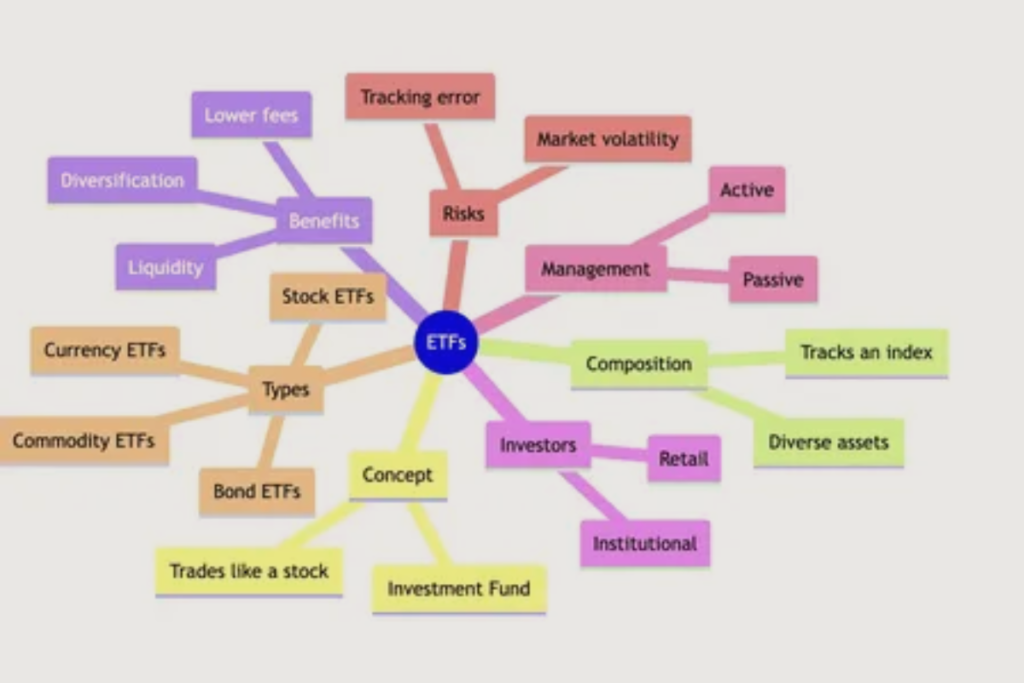
Exchange Traded Funds ETF mind map explaining types benefits and risks
ETF blocks surrounded by cryptocurrency and Bitcoin coins

Spot Bitcoin ETF vs. Bitcoin Futures ETF

Understanding the difference between spot and futures ETFs is important before using a Bitcoin ETF calculator.

Spot Bitcoin ETF

A spot Bitcoin ETF is designed to provide exposure to Bitcoin’s current market price by holding Bitcoin as its underlying asset.

Because the fund holds the underlying cryptocurrency, its performance is generally intended to closely follow Bitcoin’s spot price, although expenses and other factors can create differences.


Type your paragraph heBitcoin Futures ETFA Bitcoin futures ETF uses futures contracts to obtain exposure to Bitcoin.Futures prices can differ from Bitcoin’s current spot price. As a result, a futures ETF may perform differently from Bitcoin itself.FeatureSpot Bitcoin ETFBitcoin Futures ETFUnderlying exposureBitcoinBitcoin futures contractsDirect Bitcoin holdingsGenerally yesGenerally noTracks spot Bitcoin priceDesigned toIndirectlyFutures contractsNoYesTracking differencesPossiblePossibleAlways check the fund’s official documentation to understand its structure before investing.reTo see how your wealth can multiply over time through compounding, you can check out our interactive compound Interest Calculator.

How to Buy a Bitcoin ETF

How to Buy a Bitcoin ETF
The process of buying a Bitcoin ETF is generally similar to buying other exchange-traded investments.
Step 1: Choose a Brokerage
Use a brokerage account that provides access to the ETF you want.
Step 2: Research the ETF
Check the ETF’s structure, expense ratio, trading activity, and investment objective
Step 3: Find the ETF
Search for the ETF using its ticker symbol or fund name
Step 4: Place an Order
Enter the number of shares you want to purchase and submit the order according to your brokerage’s process.
Step 5: Monitor Your Investment
Review your investment periodically and make decisions based on your overall financial strategy.

How to Buy a Bitcoin ETF - Laptop and smartphone showing cryptocurrency charts and Bitcoin asset overview.

Benefits of Bitcoin ETFs

Bitcoin ETFs can offer several advantages
.Easy Access
Investors can gain Bitcoin exposure through a traditional brokerage account.
Simplified Storage
Investors generally do not need to manage Bitcoin wallets or private keys themselves.
Familiar Investment Structure
ETFs use a structure that many traditional investors already understand.
Portfolio Integration
A Bitcoin ETF can be held alongside other investments within a broader portfolio, depending on an investor’s strategy.

Risks of Bitcoin ETFs

Bitcoin ETFs are not risk-free investments
Bitcoin Volatility
Bitcoin can experience significant price movements. A sharp decline in Bitcoin’s price can reduce the value of a Bitcoin ETF.
Investment Loss
You can lose some or all of your invested capital depending on the investment and market conditions
ETF Expenses
Expense ratios and other costs can reduce returns.
Tracking Differences
An ETF may not perfectly replicate Bitcoin’s performance because of fees, expenses, trading conditions, and its specific structure.
Regulatory Risk
Changes in financial or cryptocurrency regulations can affect Bitcoin-related investment products.

Infographic comparing Spot Bitcoin ETF vs. Bitcoin Futures ETF, illustrating key differences in ownership, price tracking, and structure.

Frequently Asked Questions

Everything you need to know about Bitcoin and Crypto ETFs

What is a Bitcoin ETF?
A Bitcoin ETF is an exchange-traded investment product that provides exposure to Bitcoin without requiring investors to purchase and store Bitcoin directly. You can learn more about its structure on Investopedia's Bitcoin ETF Guide.
What is a crypto ETF?
A crypto ETF is an exchange-traded investment product that provides exposure to cryptocurrencies or cryptocurrency-related assets, tracked similarly to major market indexes via platforms like CoinMarketCap.
How do I calculate Bitcoin ETF costs?
Multiply the investment amount by the expense ratio to get a basic annual cost estimate. For long-term calculations, consider how the investment value changes over time and include applicable additional costs.
What is the expense ratio of a Bitcoin ETF?
The expense ratio varies by fund. Always check the ETF’s latest official documentation because fees and fee waivers can change.
How do I calculate Bitcoin ETF returns?
You can estimate potential returns by entering the initial investment, expected annual return, and investment period into a Bitcoin ETF calculator. For broader asset growth planning alongside your portfolio, you can also check out our Compound Interest Calculator.
Is a Bitcoin ETF better than buying Bitcoin?
Neither option is automatically better. A Bitcoin ETF may be more convenient, while direct Bitcoin ownership provides greater control over the cryptocurrency. The appropriate choice depends on your goals, experience, and risk tolerance.
Are Bitcoin ETFs safe?
Bitcoin ETFs can make Bitcoin exposure easier to access, but they do not eliminate market risk. Bitcoin remains a volatile asset, and investors can lose money.
Can a Bitcoin ETF calculator guarantee my returns?
No. A calculator provides hypothetical estimates based on the information you enter. It cannot predict future Bitcoin prices or guarantee investment returns.