
Ultimate Biking Calorie Calculator: Estimate Your Energy Burn and Fitness Metrics
Whether you are commuting through city streets, tackling rugged mountain trails, or doing intense indoor spin sessions, understanding your body's energy expenditure is vital. Utilizing an advanced Biking Calorie Calculator gives you precise data on how many calories you torch during every single ride.
Bicycling stands out as one of the most effective, low-impact cardiovascular workouts available today. It builds incredible lower body strength, enhances endurance, and promotes fat loss without placing excessive stress on your knees and joints. To support your holistic health and fitness journey, feel free to explore additional wellness tools directly on our Calc Tool Pack homepage, or navigate through our specialized Fitness and Health Calculators archive for tailored utilities.
Key Takeaways
- Speed and Resistance Drive Results: Pedaling faster, climbing steep inclines, and increasing resistance levels directly elevate total calorie burn.
- Body Mass Correlates With Output: Heavier individuals expend more mechanical and thermal energy than lighter individuals covering the exact same distance.
- Consistency Trumps Intensity: Regular, moderate daily biking sessions compound over time to improve cardiovascular health and metabolic conditioning.
For further scientific validation on human energy expenditure during physical exercises, you can review Harvard Health's official research on calories burned in 30 minutes.
Table of Contents
- 1. How a Biking Calorie Calculator Operates
- 2. The Science of MET Values in Cycling
- 3. Primary Variables Affecting Your Calorie Expenditure
- 4. Calorie Burn Breakdown by Speed (30 Minutes)
- 5. Extended Ride Calorie Consumption (60 Minutes)
- 6. Maximizing Fat Loss and Physical Fitness
- 7. Frequently Asked Questions
1. How a Biking Calorie Calculator Operates
A standard Biking Calorie Calculator uses proven physiological formulas to translate physical movement into numeric energy units (kilocalories). When you enter metrics such as your body weight, duration of the trip, and average speed, the tool computes the exact work output required to move your mass against environmental resistance.
By tracking these metrics consistently, athletes and fitness enthusiasts can structure their nutritional intake, optimize pre- and post-ride meals, and maintain a steady path toward their health objectives.
2. The Science of MET Values in Cycling
At the heart of every reliable calculation lies the Metabolic Equivalent of Task (MET).
- 1 MET: Represents resting energy expenditure (sitting quietly).
- 4 to 6 METs: Casual, leisurely cycling on flat pavement.
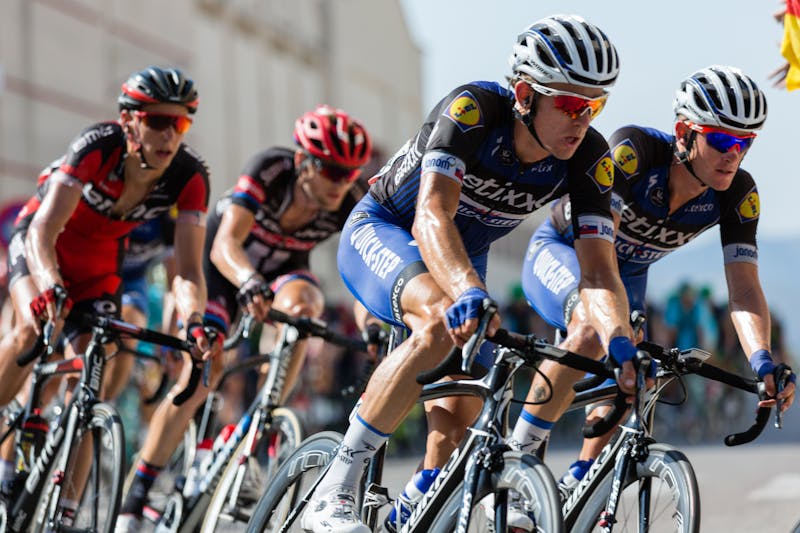
- 8 to 10 METs: Vigorous racing, mountain biking, or fast group riding.
The calculator multiplies your weight in kilograms by the assigned MET factor, and then scales it across the total time active, ensuring maximum accuracy.

3. Primary Variables Affecting Your Calorie Expenditure
No two bike rides are identical. Several external and internal forces influence the final output given by a Biking Calorie Calculator:
- Aerodynamic Drag: Wind resistance increases exponentially as you speed up. Riding into a headwind demands significantly more power.
- Gradient and Elevation: Climbing hills engages your glutes, quads, and core intensely, causing calorie burn to skyrocket compared to flat terrain.
- Bicycle Type: Heavy mountain bikes with thick tread tires require more rolling resistance effort than lightweight carbon-fiber road bikes.
- Heart Rate and Conditioning: Highly conditioned athletes may burn slightly different amounts based on physiological efficiency, though body weight remains the primary multiplier.
4. Calorie Burn Breakdown by Speed (30 Minutes)
The table below highlights approximate calories burned during a short 30-minute cycling session across different intensity brackets and body weights:
| Biking Intensity / Speed | 125 lbs (57 kg) | 155 lbs (70 kg) | 185 lbs (84 kg) |
|---|---|---|---|
| Leisurely / Light (< 10 mph) | 210 kcal | 260 kcal | 311 kcal |
| Moderate Pace (12–13.9 mph) | 285 kcal | 355 kcal | 425 kcal |
| Vigorous Pace (14–15.9 mph) | 360 kcal | 446 kcal | 533 kcal |
| Racing / Professional (> 16 mph) | 465 kcal | 576 kcal | 689 kcal |
5. Extended Ride Calorie Consumption (60 Minutes)
If you extend your endurance training to a full hour, the total accumulated energy expenditure multiplies substantially, as outlined in this second comprehensive reference table:
| Biking Intensity / Speed | 125 lbs (57 kg) | 155 lbs (70 kg) | 185 lbs (84 kg) |
|---|---|---|---|
| Casual Commute (< 10 mph) | 420 kcal | 520 kcal | 622 kcal |
| Steady Fitness Ride (12–13.9 mph) | 570 kcal | 710 kcal | 850 kcal |
| Hard Training Ride (14–15.9 mph) | 720 kcal | 892 kcal | 1,066 kcal |
| Elite Sprint / Racing (> 16 mph) | 930 kcal | 1,152 kcal | 1,378 kcal |
6. Maximizing Fat Loss and Physical Fitness Through Biking
Integrating regular cycling sessions into your weekly regimen provides a powerful catalyst for achieving long-term body composition goals. Because cycling preserves joint health, individuals of all ages can practice it safely without high-impact wear and tear.
To optimize results, combine your rides with structured interval training (alternating high-speed sprints with recovery cruising) and use a Biking Calorie Calculator to monitor your weekly caloric deficits accurately.

7. Frequently Asked Questions About Biking Calories
Q1. How accurate is a Biking Calorie Calculator?
Calculators deliver a high-probability statistical estimation based on standard metabolic research. For absolute precision during individual sessions, pairing your bike with a chest-strap heart rate monitor or power meter is ideal.
Q2. Does indoor stationary cycling burn as many calories as outdoor riding?
Yes, indoor stationary cycling or dedicated group spin classes can burn equivalent or even higher numbers of calories, provided you maintain strict resistance levels and avoid coasting.
Q3. Why do heavier riders burn more calories while biking?
Heavier individuals carry a greater mass, requiring higher muscular force and mechanical energy output to overcome gravity, friction, and air resistance.
Q4. Can I rely solely on cycling to lose belly fat?
While cycling is superb for overall fat oxidation and cardiovascular conditioning, spot reduction is not possible. Sustainable fat loss requires combining regular rides with a healthy, calorie-controlled diet.
Health Disclaimer: This article is published purely for general informational and educational objectives. Always consult with a licensed physician or professional healthcare provider before starting any strenuous exercise routine.