
Table of Contents
Understanding Food Calories & Nutritional Tracking
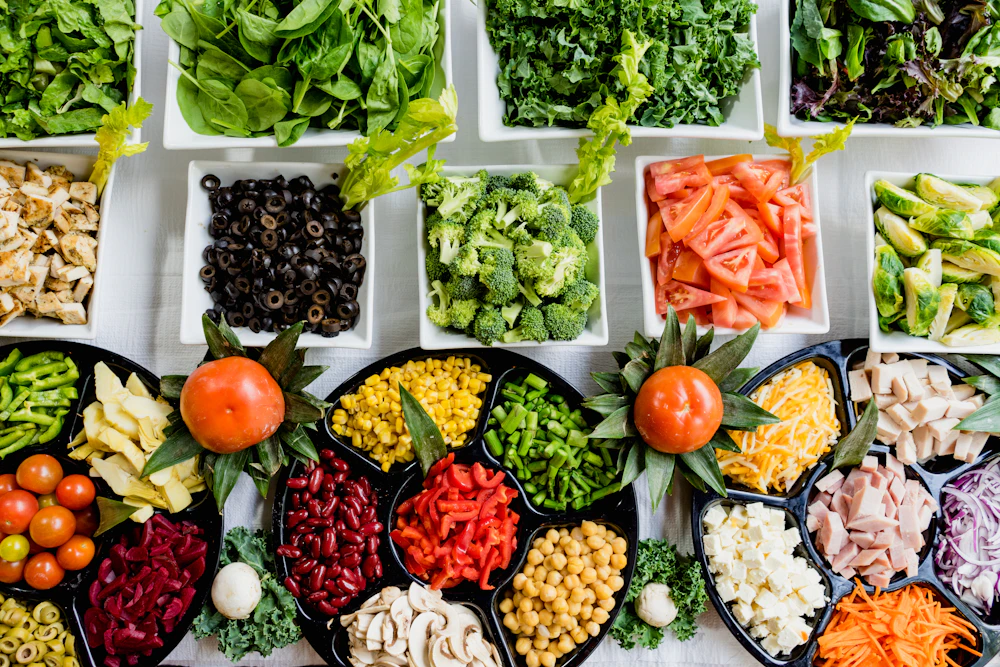
Tracking your daily nutritional intake is essential whether your goal is weight loss, muscle building, or maintaining overall health. When you utilize our advanced Food Calorie Calculator, you can quickly determine the exact caloric and macronutrient values of your everyday meals.
Every reliable food calculator helps you monitor energy balance efficiently. By understanding how many calories you consume per serving, you can make informed dietary choices that align seamlessly with your daily fitness objectives.
To maintain a balanced lifestyle, trusted health organizations like the CDC Healthy Weight recommend keeping track of portion sizes and nutritional labels. Using this tool alongside a Calorie Deficit Calculator ensures optimal body composition results.
The Role of Proteins, Carbs, and Fats in Daily Diet

Calories represent energy, but the source of those calories matters significantly for body composition and metabolic health. A comprehensive nutritional breakdown evaluates three main macronutrients:
- Proteins: Vital for repairing muscle tissue, supporting immune function, and promoting satiety.
- Carbohydrates: The primary energy source fueling high-intensity workouts and daily cognitive tasks.
- Healthy Fats: Essential for hormone regulation, nutrient absorption, and cellular protection.
How to Measure and Track Food Portions Accurately
Precision is the key to successful meal tracking. Eyeballing portion sizes often leads to significant calculation errors in daily energy intake.
- Use a Kitchen Scale: Weighing ingredients in grams provides the highest level of tracking accuracy.
- Read Labels Carefully: Pay close attention to whether nutritional values correspond to cooked or raw weights.
- Log Consistently: Record every meal and snack immediately to prevent missing hidden oils or sauces.
Practical Meal Planning Strategies for Fitness Goals

Planning your meals in advance eliminates guesswork and impulsive eating habits. When you integrate a structured approach using a Food Calorie Calculator, you can design weekly menus that satisfy your cravings while staying within your target calorie limits.
Focus on whole foods, lean proteins, and fiber-rich vegetables to maintain stable blood sugar levels and avoid energy crashes throughout the day.
Common Foods Nutritional Reference Tables
Macronutrients per 100g Serving
| Food Item | Calories (kcal) | Protein (g) | Carbohydrates (g) | Fats (g) |
|---|---|---|---|---|
| Grilled Chicken Breast | 165 kcal | 31.0 g | 0.0 g | 3.6 g |
| Cooked White Rice | 130 kcal | 2.7 g | 28.0 g | 0.3 g |
| Rolled Oats | 389 kcal | 16.9 g | 66.3 g | 6.9 g |
| Whole Milk | 61 kcal | 3.2 g | 4.8 g | 3.3 g |
Standard Unit Food Reference
| Food Item | Serving Size | Calories | Primary Benefit |
|---|---|---|---|
| Whole Egg | 1 Large | 72 kcal | Complete Protein & Healthy Fats |
| Banana | 1 Medium | 105 kcal | Quick Natural Energy & Potassium |
| Peanut Butter | 1 Tablespoon | 94 kcal | Energy Dense Healthy Fats |
| White Bread | 1 Slice | 79 kcal | Convenient Carbohydrate Source |
Frequently Asked Questions (FAQs)
1. How accurate is the Food Calorie Calculator?
Our tool uses standard nutritional databases to estimate calories and macros per serving with high precision. However, actual values may vary slightly based on specific brand preparation and cooking methods.
2. Should I weigh my food before or after cooking?
It depends on the food item. Foods like rice and pasta are best weighed dry if tracking raw specs, whereas meats are generally weighed cooked or as specified on your database log.
3. Can tracking food macros help improve overall health?
Yes! Tracking macros ensures you receive adequate protein and essential nutrients rather than just focusing on strict calorie restriction, promoting sustainable long-term fitness.